Explore partnership opportunities ↗
Partnerships

Fund what matters.
Strengthen what lasts.

CAR welcomes partnerships that respect community priorities, invest in practical action and help build the evidence, institutions and local capabilities needed for long-term change.

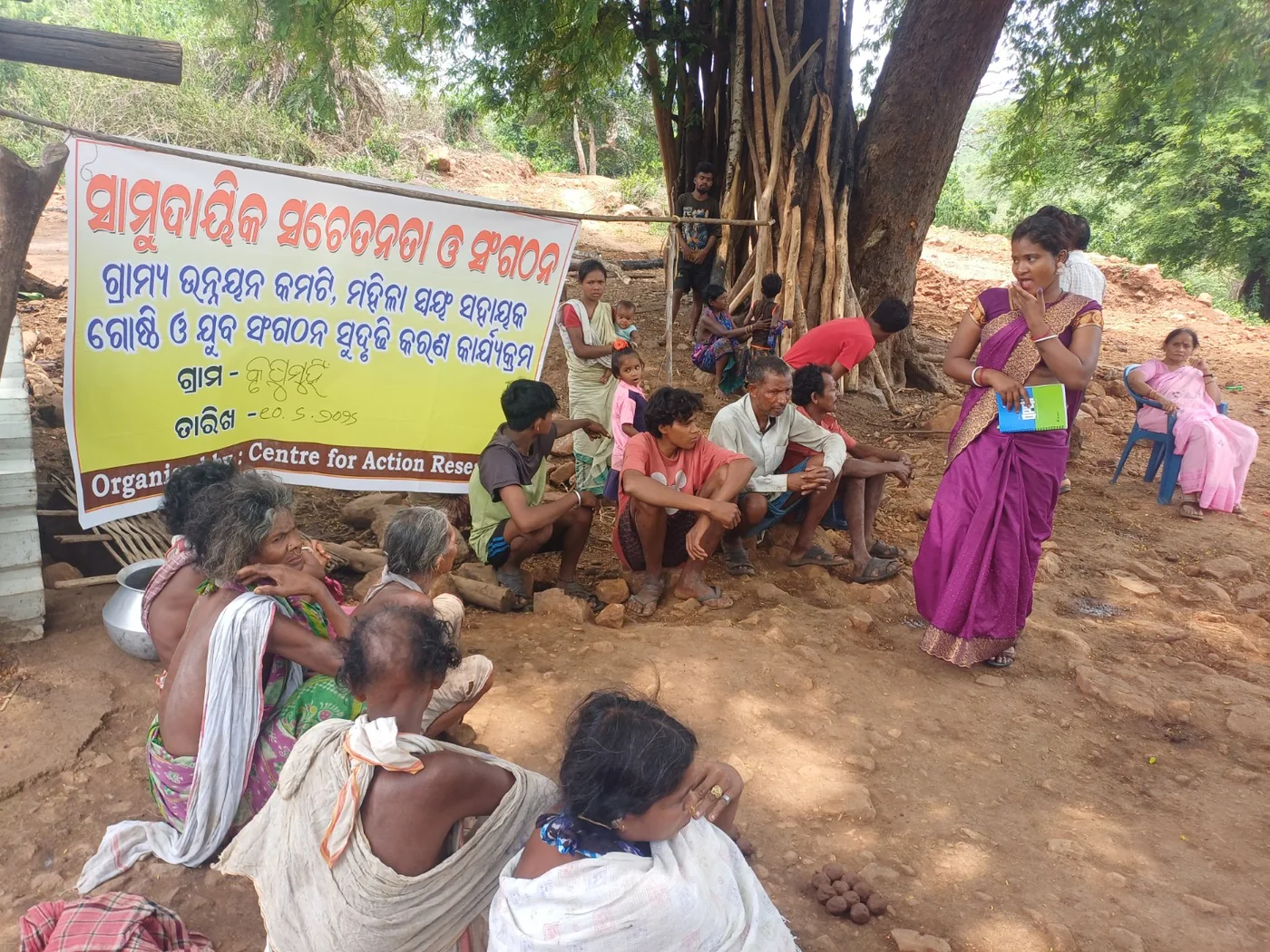
A community gathering taking place outdoors
SHARED PURPOSE
SHARED ACCOUNTABILITY
A partnership approach

Not just funding.
Long-term collaboration.

Strong partnerships begin with a shared understanding of the problem—and a clear agreement about what will be done, how progress will be monitored and how learning will be shared.

CAR’s stated future priorities include scaling small-river restoration pilots, strengthening Forest Rights Act facilitation, building collaborations with CSR and academic institutions, creating a digital knowledge repository and developing community-oriented water monitoring tools.

The opportunities below are suggested pathways for discussion, not pre-approved funding packages. Scope, budget, geography, duration and measurable outcomes should be agreed jointly and supported by a documented project plan.

Ways to collaborate

Purpose-led pathways
for partners.

Choose a challenge where your institution’s experience, resources or networks can complement community priorities.

01
CSR & philanthropy

Support a defined programme

Explore support for river restoration pilots, adult literacy, community institutions, climate resilience, livelihoods, health awareness or rights facilitation.

  • Agreed target communities and activities
  • Time-bound work plan and budget
  • Monitoring, learning and reporting approach
Discuss programme support →
02
Universities & research

Build evidence together

Collaborate on field research, community documentation, policy engagement, water-quality monitoring, ecological flow and social inclusion.

  • Ethical, participatory research design
  • Clear data-use and consent protocols
  • Outputs useful to communities and practitioners
Discuss research collaboration →
03
Civil society & networks

Connect people and institutions

Work across campaigns, share methods, convene discussions and strengthen collective advocacy on rivers, forests and community rights.

  • Shared learning and peer exchange
  • Coordination around defined issues
  • Community voice in public conversations
Explore collaboration →
04
Technical & in-kind support

Bring capability to the work

Offer specialist knowledge, accessible technology, monitoring tools, training resources, communication support or professional volunteering.

  • Specific, practical contribution
  • Responsible data and safeguarding practices
  • Skills transfer where appropriate
Offer expertise →
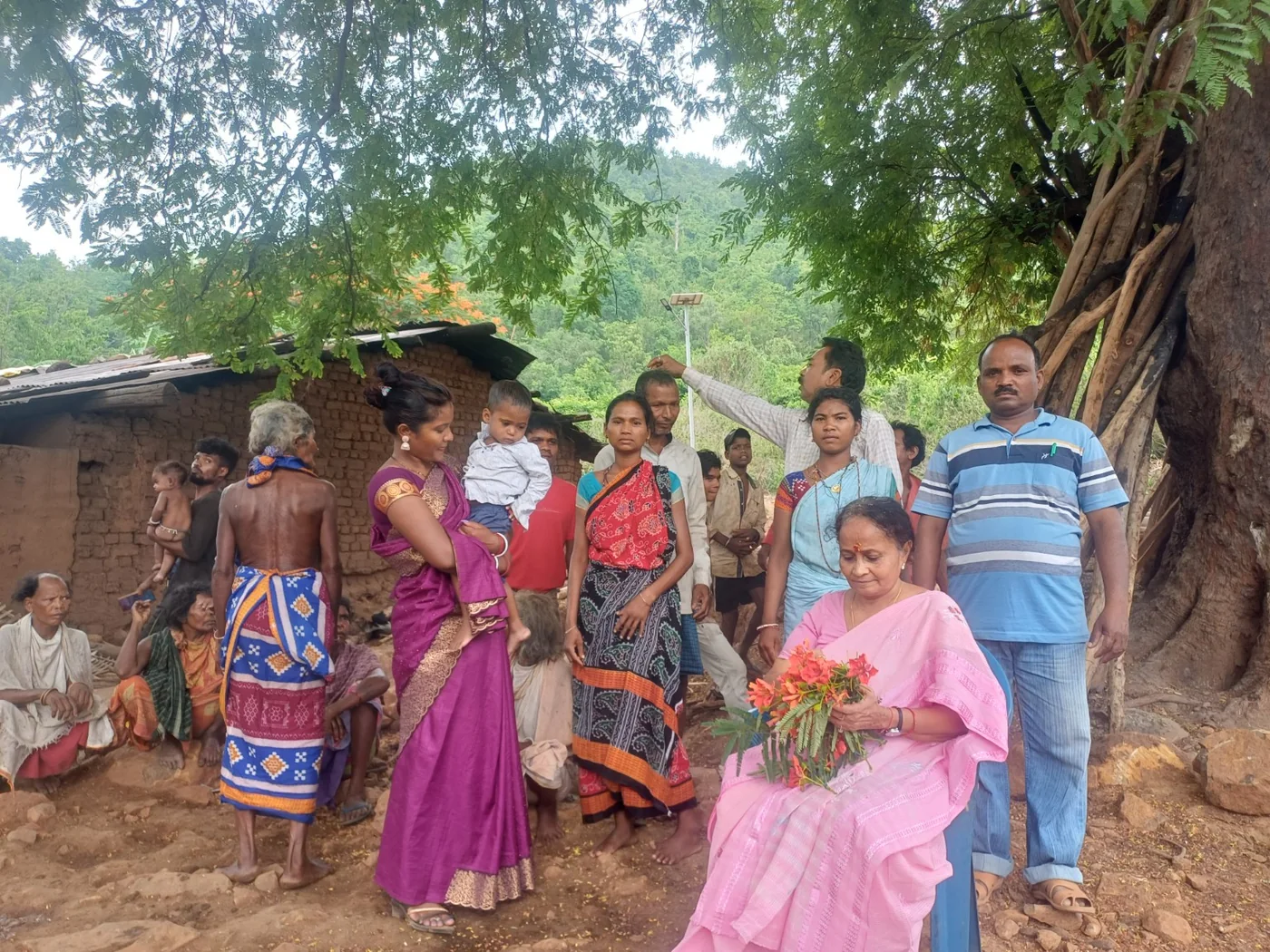
Community members gathered to discuss local concerns
Partnership design

Clarity before commitment.
Accountability throughout.

Every serious partnership deserves a clear problem statement, an honest budget, realistic outcomes and a plan to learn from implementation.

01

Listen and define
Identify the community priority, context, geography and intended change.

02

Design together
Agree on roles, outputs, timeline, budget, safeguarding and participation.

03

Track progress
Set practical indicators, reporting intervals and responsible data practices.

04

Review and learn
Share findings, recognise limitations and adapt the approach where needed.

Due diligence

Trust is built
with evidence.

Before entering into a funding or CSR arrangement, partners should review current documents, verify eligibility and agree how funds and results will be reported.

Documents to request and verify

✓

Trust registration deed and current registration details.

✓

Current tax registration or approval orders and any 80G documentation being relied upon.

✓

Valid CSR-1 acknowledgement or registration, where relevant to the proposed engagement.

✓

Latest audited financial statements, annual reports and utilisation documentation, as applicable.

✓

Governance policies, safeguarding arrangements and project-specific monitoring plans.

This is a due-diligence checklist; this website does not certify current validity or confirm eligibility for a specific tax or CSR benefit.

Our collaboration and networks

Building relationships across sectors.

CAR’s organisational profile names the following partners and collaboration areas. The periods below are shown as supplied in the current website feedback.

2018–19

ChildFund India

Study and research work

2023

Sulabh International

Study on adolescent health

2024–25

Rotary Literacy Mission

Adult literacy programme

2026

National Foundation for India (NFI)

Supporting partner

Contributions and transfers

Support community-led action.

For donations and institutional contributions, use the beneficiary details below. Please check the details against CAR’s current bank-issued records before initiating a transfer, and contact CAR for donation receipt and documentation requirements.

Where a donation is intended to qualify for any tax benefit, donors should review the applicable approval order and independently confirm the conditions that apply to their donation.

BENEFICIARY BANK DETAILS

Centre for Action Research

Punjab & Sind Bank · Biju Patnaik College Branch, Bhubaneswar

Account name
Centre for Action Research
Account number
07891000011555
IFSC code
PSIB0000789
Bank
Punjab and Sind Bank
Branch
Biju Patnaik College branch, Bhubaneswar

For safety, verify the account number and IFSC code with CAR or the bank before transferring funds.

A first conversation

Bring a question, a skill
or a shared ambition.